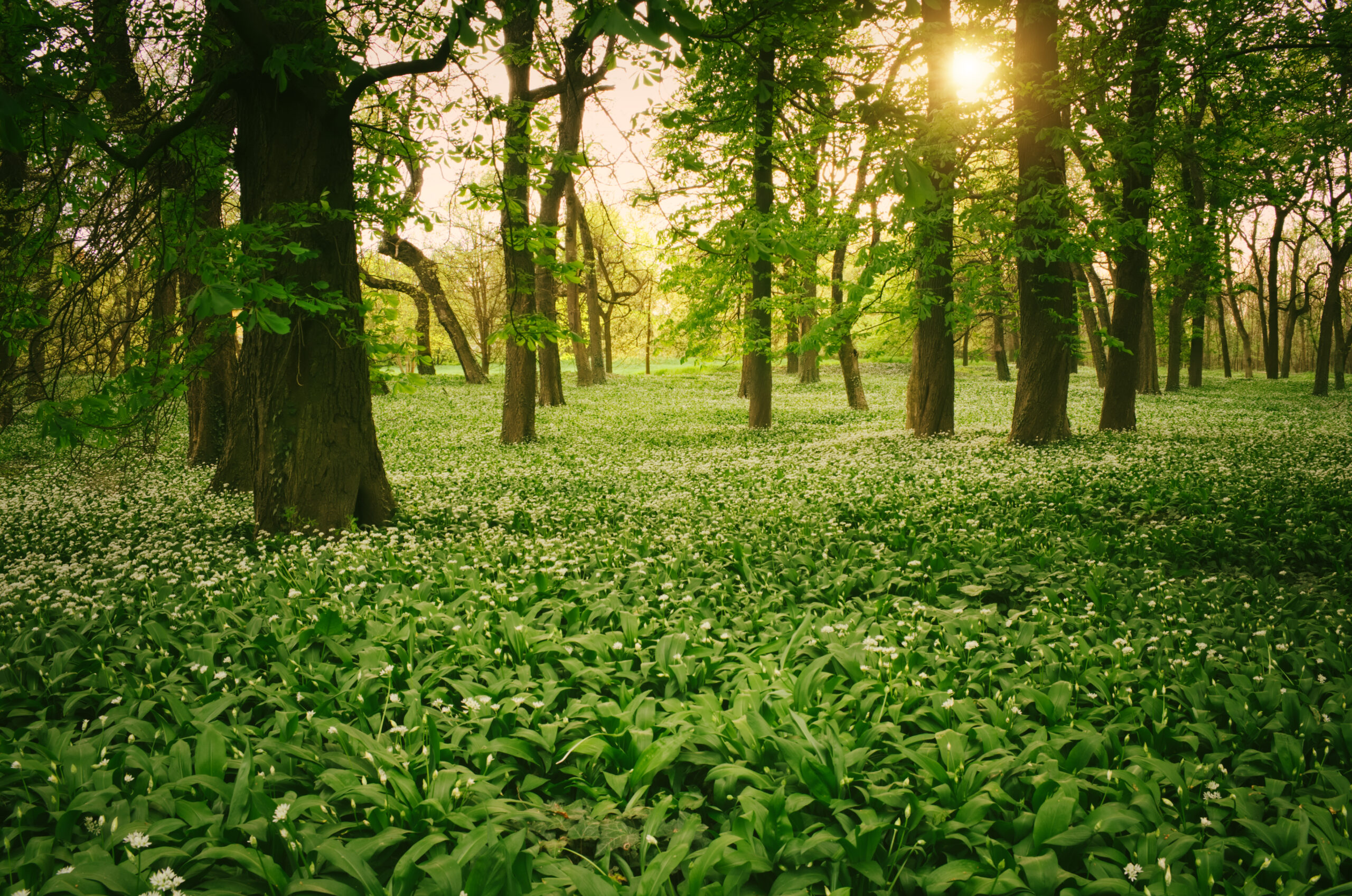
There is a unique magic to Dartmoor at midsummer. As the summer solstice approaches – the longest day and shortest night of the year – the ancient moorland comes alive with a golden, lingering light that seems to stretch time itself.
For those seeking solitude, Dartmoor’s wild spaces offer an unparalleled sanctuary to mark this celestial turning point, far from crowds and noise, immersed in nature’s raw beauty.
The summer solstice, derived from the Latin sol (sun) and sistere (to stand still), has been celebrated for millennia as a time when the sun reaches its zenith in the sky.
Ancient cultures built monuments like Stonehenge to honour this day, recognising its significance as a moment of renewal, abundance, and connection to the rhythms of the natural world.
While gatherings at stone circles and festivals are common, there is a quieter, more personal way to honour the solstice – by seeking solitude in the wild.
A Landscape for Solitude and Wonder
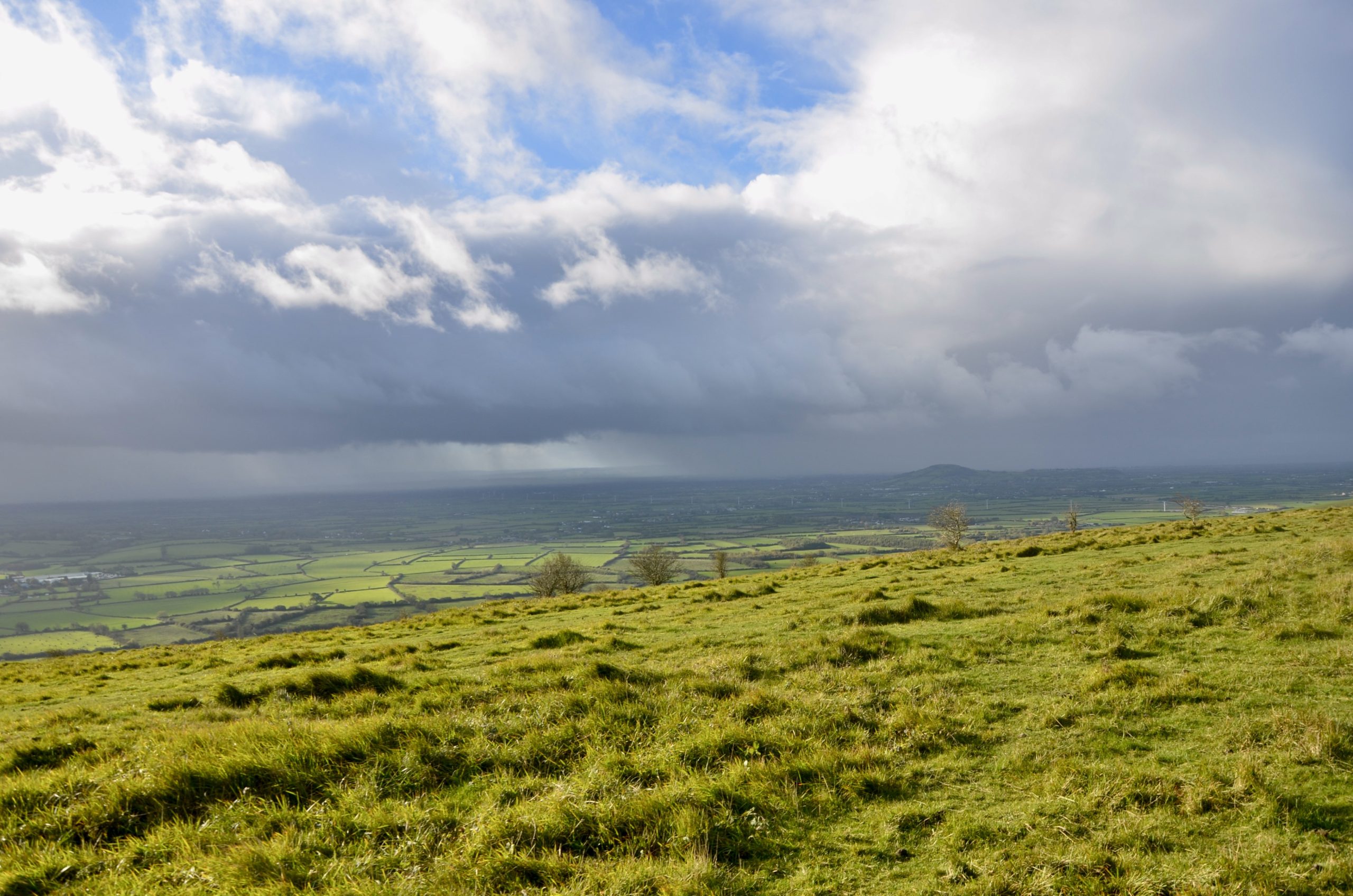
Dartmoor National Park, with its sweeping granite tors, rolling moorland, ancient woodlands, and hidden valleys, is a place where solitude is not just possible – it is profound. Covering over 360 square miles, Dartmoor is England’s only national park where wild camping is legally permitted (with some restrictions), making it a haven for those wanting to truly escape. Here, you can pitch a tent or bivvy far from civilisation, waking to the sound of skylarks and the sight of mist rolling over the tors.
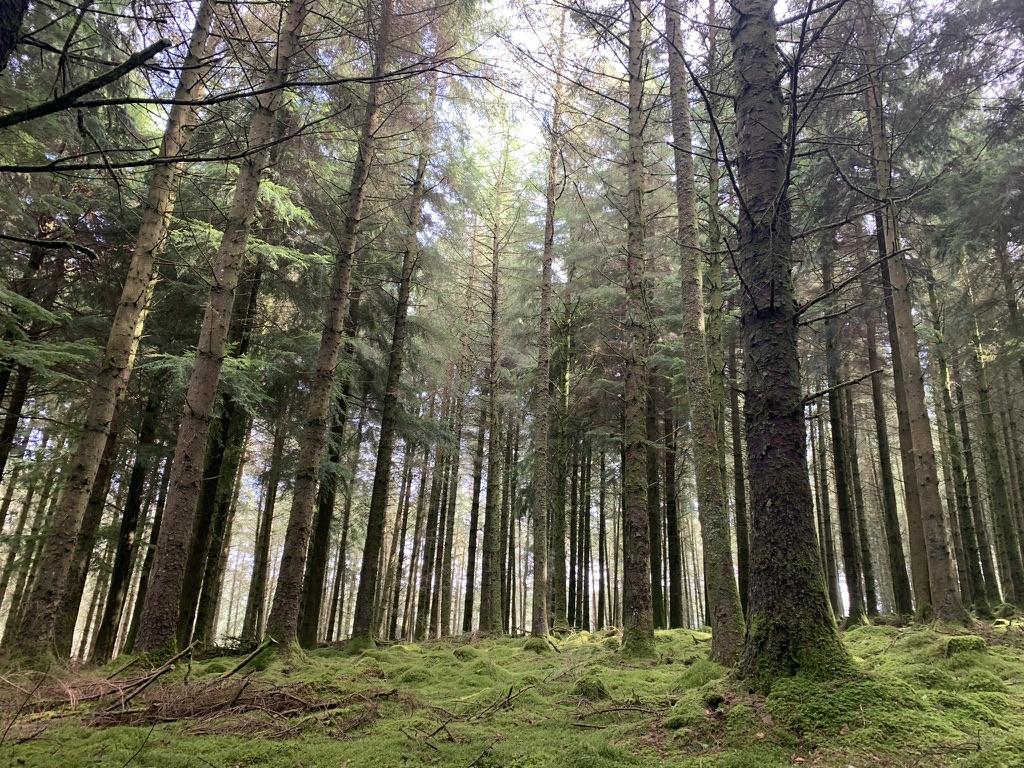
The moor’s diversity is staggering from the flower-rich meadows of Bellever to the oak-clad slopes of Hembury Woods, and the windswept heights of Haytor, each corner of Dartmoor offers a different palette of sights, sounds, and scents. Wildlife abounds – deer, buzzards soar overhead, ponies graze the open hills, and rare butterflies flit among the wildflowers. The land itself is steeped in history, with over 10,000 ancient sites scattered across the moor, echoing the footsteps of those who have marked the solstice here for thousands of years.
Flow and Connection
Solitude in nature is not about loneliness, but about deep connection – to the land, to oneself, and to the present moment. Research shows that being alone in wild places like Dartmoor can foster a sense of spiritual connectedness, reduce stress, and enhance well-being. Psychologists describe a state called “flow,” where one becomes so immersed in the landscape and activity – be it walking, sketching, or simply sitting in contemplation – that time seems to dissolve.
Dartmoor’s vastness, its shifting weather, and its sensory richness make it an ideal setting for this kind of mindful immersion.
The solstice amplifies this experience. With daylight stretching late into the evening, you can wander the moor for hours, watching the sun arc slowly across the sky. As dusk finally falls, the land is bathed in a gentle, golden glow, and the first stars begin to prick the deepening blue. There is a sense of being suspended in time, of witnessing something ancient and eternal.
Celebrating the solstice in solitude need not be elaborate. Here’s how you might mark the occasion on Dartmoor:
- Seek out a wild camping area – perhaps atop Chinkwell Tor for sweeping views, or in the shelter of Bellever Forest for birdsong at dawn
- Give yourself time to settle, to notice the subtle details – the scent of gorse, the call of a distant cuckoo, the play of light on granite.
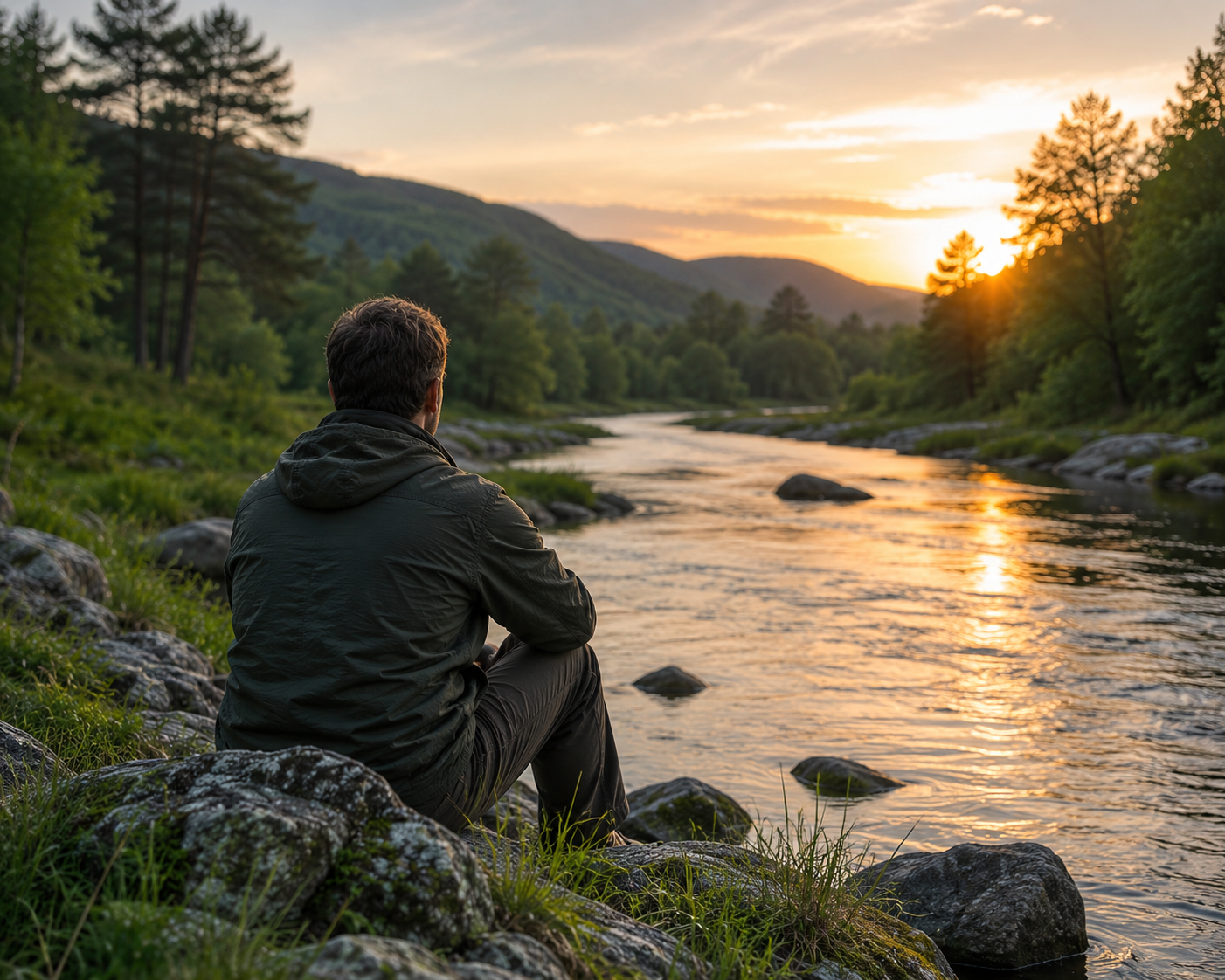
- As the sun sets, sit quietly and reflect. You might light a small (leave-no-trace) candle, write in a journal, or simply breathe in the cool, clean air, honouring the light within and without.
- On a clear night, Dartmoor’s dark skies reveal a tapestry of stars. The sense of insignificance and awe that comes from stargazing is a solstice gift in itself.
- On solstice morning, rise early to watch the first rays of sunlight break over the moor. The world feels new, and you are part of its renewal.
Solitude on Dartmoor during the summer solstice is not an escape from the world, but a return to it – recharged, reconnected, and realigned with nature’s rhythms. The experience lingers long after you leave, a quiet reminder of the power of wild places and the importance of making space for reflection and wonder in our lives.
As the sun stands still and then begins its slow journey back towards winter, you carry with you the memory of Dartmoor’s wild beauty, and the knowledge that, sometimes, the deepest celebrations are those held in silence, beneath the endless sky.