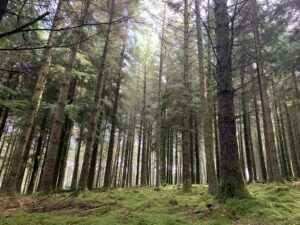
A habit of going outside: small adventures, steadier minds, and learning the shape of the living world
Hello everyone and welcome to my weekly newsletter,
I hope your week has held at least one quiet pocket of air and light, and not too baking hot! Here’s a short note with one main reflection, a few useful ideas, and something practical to carry with you into the coming days.
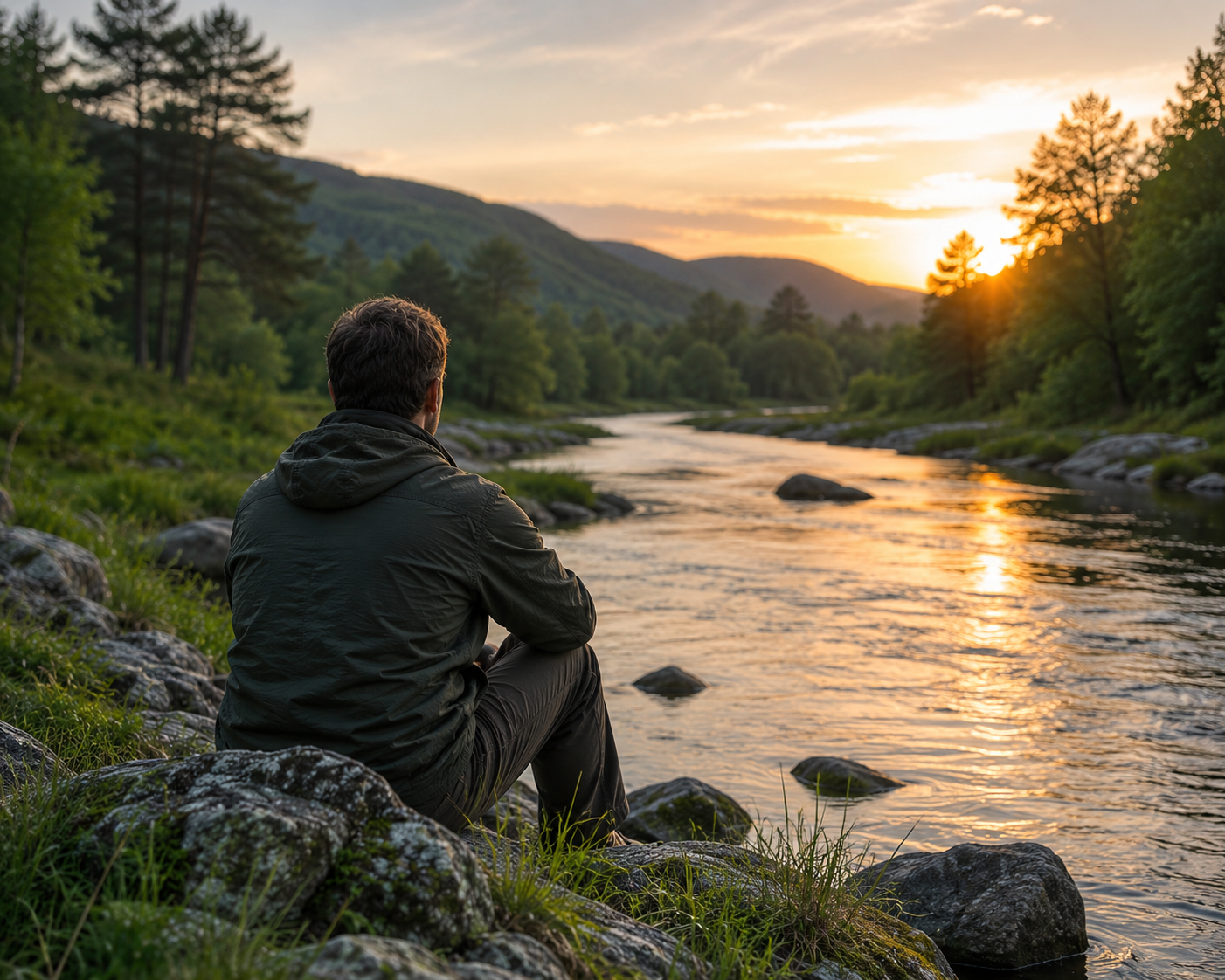
This week I’ve been thinking about how easy it is to treat the outdoors as an occasional event rather than a regular relationship. We imagine grand walks, dramatic landscapes, or a whole free weekend in the hills, when often what changes us most is something much smaller: ten minutes under trees before breakfast, a slow evening walk by a field edge, or standing still long enough to notice the wind changing direction.
At the heart of it is a simple conviction: regular time outside does not just refresh us; it teaches us to belong again. The natural world stops being a backdrop and becomes a presence – something known through season, sound, weather, texture, and return.
This week’s reflection
One of the most helpful shifts is to stop asking, “When will I next have time for a proper adventure?” and begin asking, “Where does the outdoors already touch my ordinary day?” A nearby lane, a local common, a patch of river, a churchyard with old trees, even a bench where birds gather at dusk can become a place of return.
That regular return matters. The first visit gives you scenery; the fifth gives you familiarity; the fifteenth gives you relationship. You begin to notice which hedge fills first with hawthorn, where the blackbird sings from, where the ground keeps yesterday’s rain, and how the same path can feel entirely different in sun, mist, or hard wind.
A deeper connection with the environment is rarely built through information alone. It is built through repeated presence. You do not need to conquer a mountain to love a place; sometimes you only need to visit it often enough that it starts to greet you.
A few things you might enjoy:
• A five-minute rule: if you do not feel like going out, go for just five minutes. Very often five becomes twenty.
• A “same place, different day” practice: visit one local outdoor place once a week for a month and notice what changes.
• A small notebook ritual: write down one thing seen, one thing heard, and one thing felt each time you go out.
These are modest practices, but that is part of their strength. The outdoors becomes less a special performance and more a steady companion.
Three simple ways to reconnect:
1. Make the outdoors easy
If going outside always requires planning, driving, packing, and perfect weather, it will happen less than you hope. Better to choose one or two places close to home that are easy to reach and easy to revisit.
A small circuit walked often can do more for the spirit than a heroic outing attempted twice a year. A riverside path after work, an early walk on the common, or even tea in the garden before screens take over the morning -these count more than people think.
Example: someone living in town might begin with a twenty-minute loop around the nearest green space every Tuesday and Thursday evening. After a few weeks, they no longer feel they are “trying to be outdoors”; they simply have an outdoor life.
2. Learn one place properly
There is real joy in getting to know one patch of earth well. Instead of endlessly seeking novelty, choose a wood, lane, hill, shoreline, or park and let yourself become familiar with it.
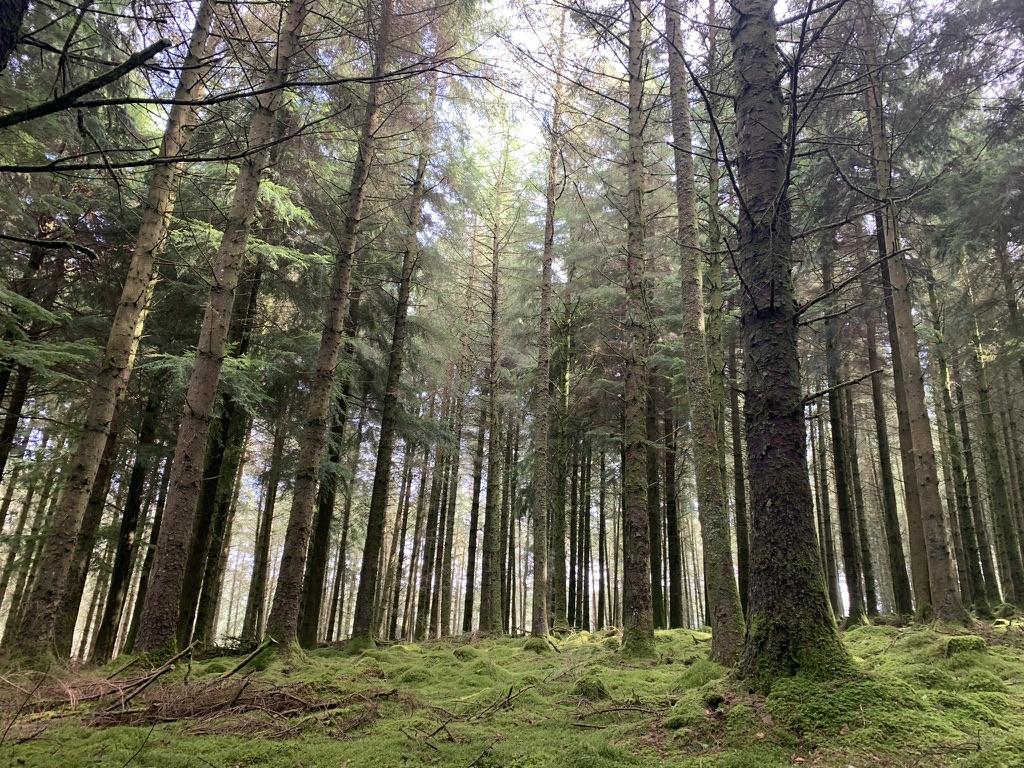
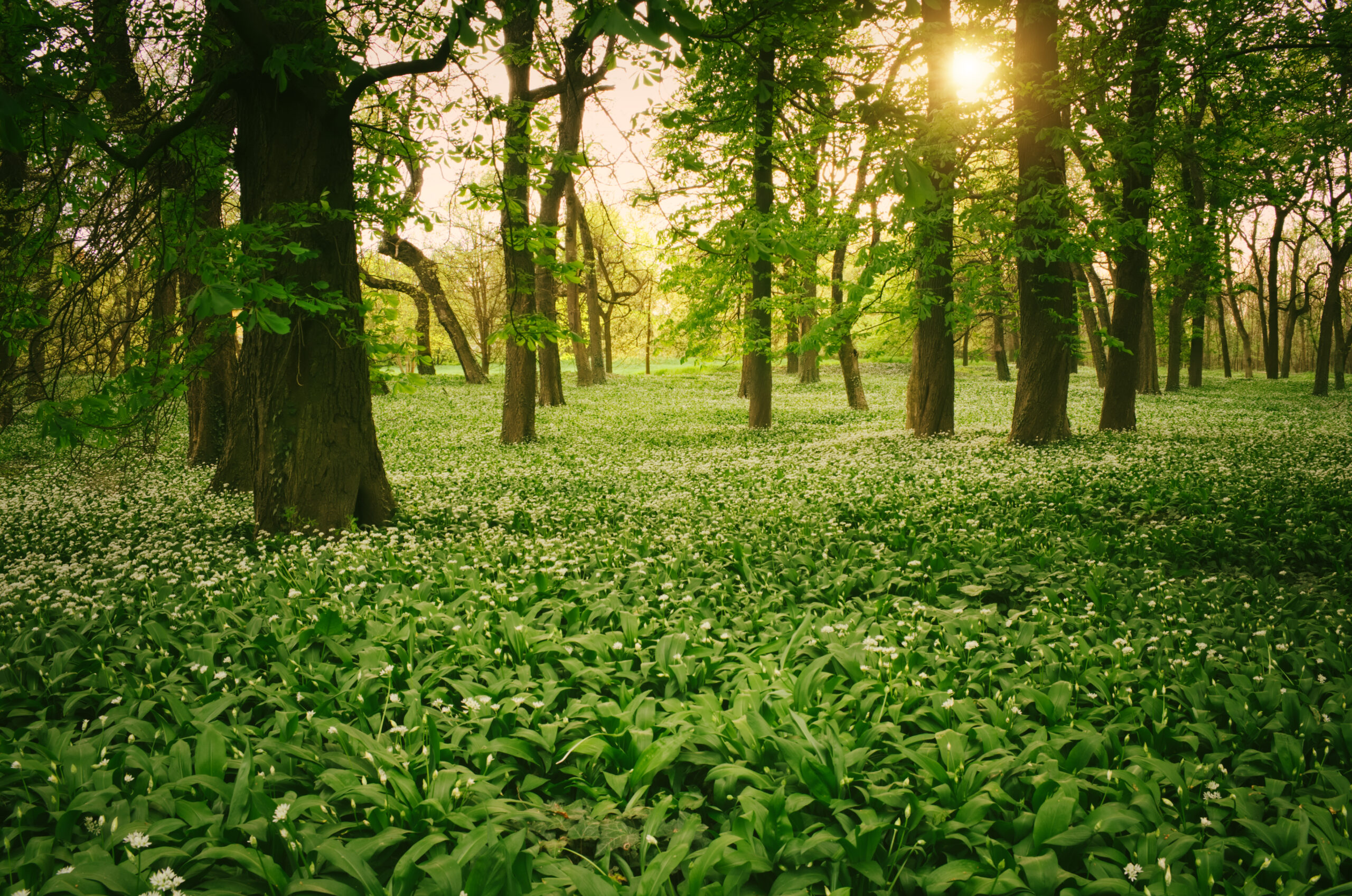
Watch what arrives month by month. In spring, buds and birdsong; in summer, long grass and insects; in autumn, seed heads, damp bark, and fungi; in winter, shape, silence, and the architecture of branches. The place becomes richer because your attention becomes richer.
Example: a child taken to the same copse every Saturday may begin by noticing sticks and puddles, then later recognise birds, tracks, leaves, and seasonal change. Adults are not so different; we also learn the world by returning to it.
3. Bring curiosity, not performance
Not every walk needs a mileage target, a step count, or a social-media-worthy view. Some of the best time outside is gloriously unproductive: wandering, watching swifts overhead, following the edge of a field, or standing in drizzle under a tree and realising you are unexpectedly content.
Try replacing achievement with attention. Ask simple questions: What can I smell today? What is flowering now? Where is the light falling? What bird is making that sound? Curiosity opens a door that pressure usually shuts.
Example: a ten-minute lunchtime walk becomes more interesting when the task is not “walk fast” but “notice three living things.” Suddenly there are bees in the clover, lichen on the wall, and rooks arguing in the sycamores.
A practical outdoor rhythm
If you want a gentle structure, this works well:
• One short outdoor pause each day, even if only 10 minutes.
• One slightly longer walk each week, ideally without headphones.
• One recurring place visited often enough to become familiar.
• One small act of attention each time: notice birdsong, cloud shape, leaf change, water level, or evening light.
The aim is not intensity but continuity. The environment speaks most clearly to those who keep showing up.
A note from me
I think many of us are more tired than we first admit, and the outdoors helps partly because it asks less of us than most other places do. A path does not need us to perform. A wood does not require a polished answer. A stretch of open sky can hold a surprising amount of human weariness without complaint.
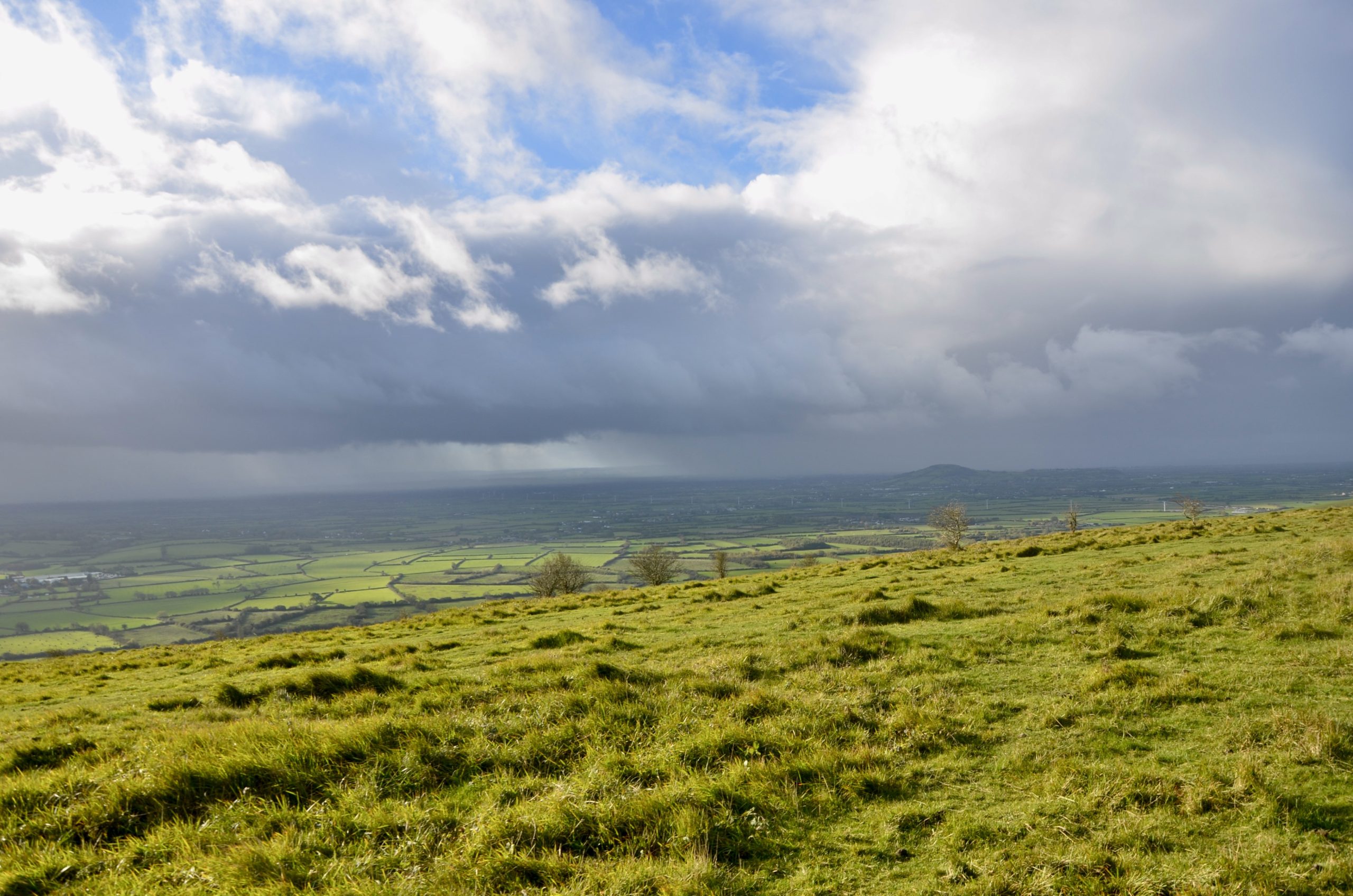
And yet regular time outside does more than soothe. It restores scale. We remember that the world is not made only of urgency, inboxes, traffic, and noise. There are also nettles pushing through fences, swallows stitching the evening air, foxgloves lifting beside worn tracks, and rain moving over distant fields with complete indifference to our schedules.
That is not an escape from life. It is a return to something life needs.
Until next time,
Keep a little space in the week for weather, for birdsong, and for the old quiet intelligence of the living world.