Hi there,
I hope your week’s been gentle with you. Here’s a short note with one substantial update, a few quieter reflections, and something useful to carry into the days ahead.
This week’s highlight
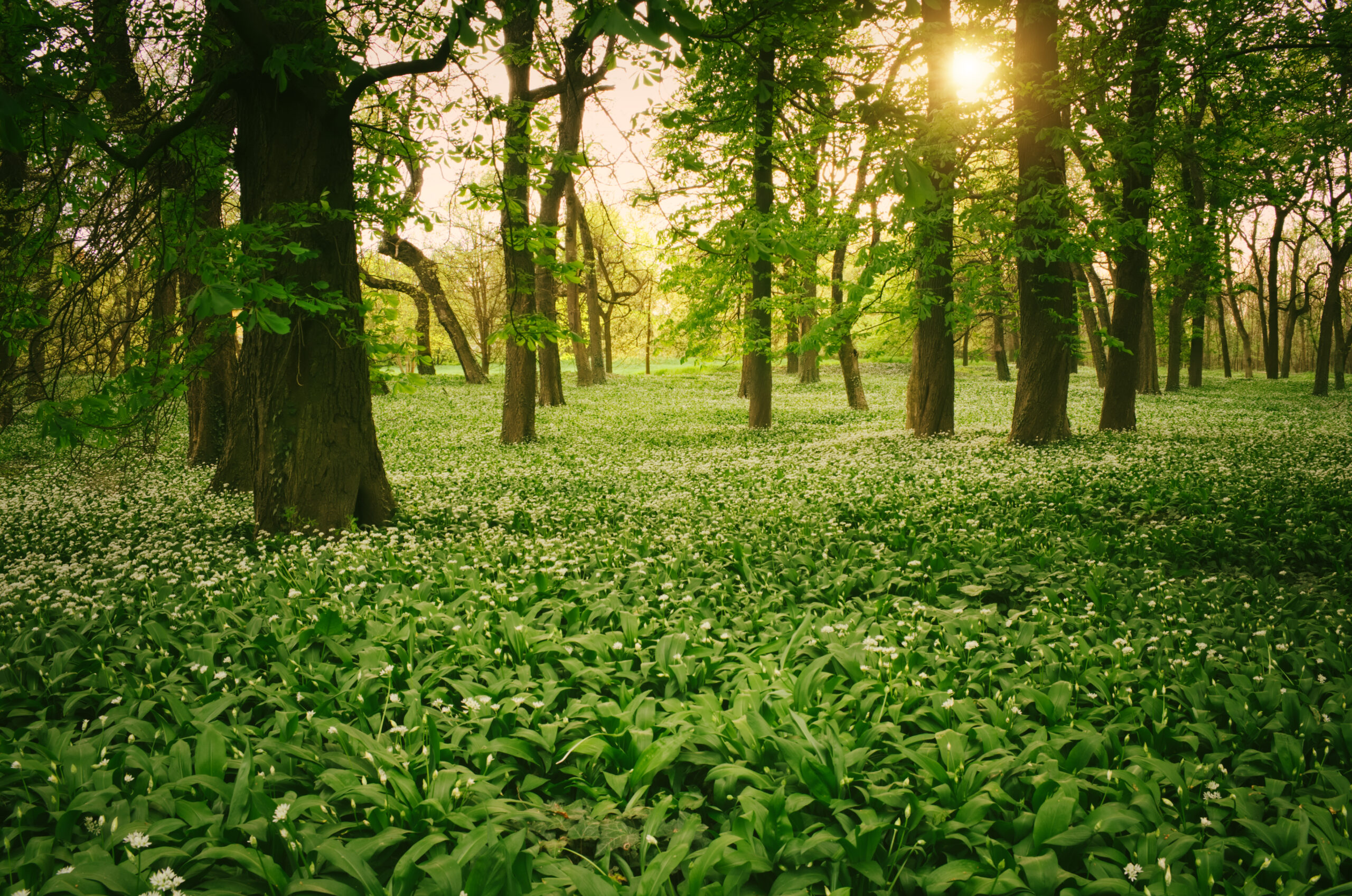
I’ve been working on a new annex to The Inner Citadel called A Week in a Wild Place: Kit, Camp, and the Choice of Ground. It grows out of a simple question: if solitude matters inwardly, what practical things help make a longer stretch of it possible in the real world? The piece draws on time spent in wild country, especially Dartmoor, and turns toward the ordinary details that quietly shape a week alone: where you pitch, how you stay warm, what you carry, and how preparation can free attention rather than clutter it.
At the heart of it is a conviction I care about deeply: the right kit is not a distraction from inner life, but one of the conditions that can make it inhabitable. Dry socks at dusk, a sheltered pitch, warm sleep, filtered water, a notebook, and the discipline to leave the phone off all become part of the larger work of listening.
A few things you might enjoy
- A practical reflection on choosing ground well, because a good camp serves you quietly while a poor one drains attention day after day.
- A reminder that sleep and warmth matter more than most people expect; in the annex, I argue that being cold is one of the quickest ways to make a week in the wild unnecessarily hard.
- A quieter idea running underneath it all: preparation is not there to control the experience, only to remove the small frictions that stop you meeting it honestly.
A note from me
One of the things I’ve returned to while writing this is how often we imagine solitude as something dramatic, when in truth it is usually built through small acts of steadiness. The list here may look practical on the surface, but beneath the lists and recommendations is the same concern that runs through the book itself: how to make a life that remains inwardly habitable when the world is loud. Sometimes that work happens in an ordinary room. Sometimes, if circumstances allow, it happens under a tarp with the weather moving overhead.
So, what do you take?
On the Choice of Ground
The choice of where to camp matters more than almost anything else in the kit. A good site quietly serves you for seven days. A poor one drains attention you had hoped to give to other things. Wet feet, midges, cold air pooling at four in the morning, the rumble of a distant footpath suddenly busy at nine – each of these can be avoided by a few minutes of patient looking.
A few principles, drawn from practice rather than theory:
- Be near water, but not on it. A hidden camp wants water within easy walking distance – a stream, a spring, a small upland brook – but not so close that the ground is wet, the air heavy with damp, or the midges biting from dusk onward. Fifty to a hundred paces back is usually enough. You want to be able to fetch water in a few minutes without having to strike camp.
- Stay off the floor of gullies and hollows. Cold air sinks. A small dell can be ten degrees colder at dawn than the slope above it, and it can flood after heavy rain. The best ground is generally on the lee side of a small rise, slightly above the lowest point.
- Give footpaths a wide berth. Set yourself back at least fifty metres from any visible track, and further if the path is well-used. Place the camp where it cannot be seen from the path even by someone looking carefully. A copse, a spur, a rock outcrop, a slight fold in the land – small features hide a small camp surprisingly well.
- Avoid lone trees, ridgelines, and the highest points. In thunder, these are dangerous. In wind, they are unkind. A modest, sheltered spot with some natural break – heather, rock, a stand of birch or thorn – costs you nothing in view and gives you much in steadiness.
- Read the slope. A few degrees of fall away from where you will lie keeps you dry if rain runs through. Sleeping on the level seems intuitive, but level ground in upland country is often boggy ground.
- Read the prevailing wind. In most of Britain, weather comes from the south-west. A subtle east- or south-east-facing nook will spare you the worst of it and give you morning light, which matters more than most people imagine after a few days alone.
- Choose somewhere you can return to. Part of what a week allows is a daily rhythm – long walks out, returns at dusk, the gradual building of a small relationship with one piece of land. A camp you can find again easily after dark, in mist, or after a tiring day, is a generous companion. If you cannot describe the location precisely from memory after one visit, choose somewhere else.
Spend the first afternoon, if you can, walking past several possible sites before settling on one. The ten extra minutes of looking save days of regret.
Shelter
I use, and would recommend, a simple two-piece system: a waterproof bivouac bag and a small tarp pitched as a low A-frame. This is not the only option. A one-person tunnel tent serves perfectly well, particularly in colder months or in heavy midge season. But the bivvy-and-tarp combination has some quiet virtues. It is light. It is unobtrusive against the landscape. It allows you to sleep with a clearer relationship to the night above you – moonlight, weather, the call of an owl – without exposing you to the rain. It can be pitched and struck quickly. And it sets up a small, semi-open shelter under which you can sit, cook, read, and write through wet weather without retreating into a sealed nylon room.
A simple shelter system:
- A breathable bivouac bag in Gore-Tex or eVent fabric. A version with a small hooped section over the head is worth the modest extra weight if you intend to read inside it.
- A 3 m × 3 m tarp in a muted colour. Green, brown, or stone-grey will disappear into most British landscapes. Bright orange will not.
- Eight pegs, plus two spare. Heather and peat hold pegs poorly; long, V-section pegs are worth the small extra weight.
- Six to eight metres of paracord, plus two pre-rigged guy lines.
- A lightweight groundsheet or piece of Tyvek under the bivvy.
- A small camping pillow, or simply a stuff sack into which you press your spare clothing.
The aim is not seclusion from nature but a steady refuge within it – enough enclosure to feel held, enough openness to remain in conversation with the place.
Sleeping
The single most common cause of a difficult week in wild country is poor sleep, and the single most common cause of poor sleep is being cold. It is worth spending money here.
- A sleeping bag rated to a comfort temperature of around 0°C at minimum. British uplands can be unexpectedly cold at night even in midsummer. A down bag is lighter but useless when wet; a synthetic bag is heavier but forgiving. If you are unsure, choose synthetic. If you are confident in your shelter, choose down.
- An insulated sleeping mat with an R-value of at least 3, preferably 4. The cold rises from the ground far more than from the air.
- A dry sack containing a complete set of base layers reserved for sleeping only. These never come out of that sack during the day. They are how you guarantee yourself a dry, warm night even after a wet day.
The discipline of changing into dry sleeping clothes each night is one of the small acts that makes a week sustainable. The walking clothes can be damp. The sleeping clothes are sacred.
Clothing
Layered, modest, and chosen for wet conditions:
- Two merino base-layer tops – one walking, one sleeping. Merino regulates better than synthetics and develops less odour over a week.
- One pair of merino base-layer leggings for sleeping; lightweight synthetic or wool walking trousers for the day.
- A mid-weight fleece or wool jumper.
- A down or synthetic insulated jacket, packed in a dry sack. Bring this even in summer.
- A waterproof shell jacket with taped seams and a hood – Gore-Tex or equivalent. Cheap waterproofs are not waterproof.
- Waterproof over trousers that go on over your boots.
- A warm hat (wool or fleece) and a sun hat or cap.
- A buff or neck gaiter.
- A pair of insulated gloves and a pair of lightweight liner gloves.
- Three pairs of merino socks. One on, one drying, one in reserve.
- Sturdy walking boots, broken in well before the trip. Do not bring boots whose first long walk this is to be.
- A pair of camp shoes or sandals – light, simple, indispensable. Removing wet boots at the end of the day is one of the small evening pleasures.
Bring nothing white, nothing bright, nothing that announces you to the landscape. The ordinary muted tones of outdoor clothing exist for good reason: you become less visible to other walkers, which protects your solitude, and less visible to the animals, which is one of the quieter privileges of wild time.
Cooking and Water
A week of cooking in the open does not need to be elaborate. One pot, one stove, two cooked meals a day, and the means to make hot drinks frequently – that is enough.
- A small gas canister stove (Jetboil, Soto, MSR, or similar) or an alcohol stove such as a Trangia. Gas is faster and lighter; alcohol is reliable in wind and never punctures.
- One canister or 200–300 ml of fuel – more than you think you will need; cooking time goes up in cold weather.
- A 900 ml–1 L pot. A second smaller pan is unnecessary.
- A lightweight mug. The mug matters. You will hold it many times.
- A spork.
- A folding knife or small fixed-blade knife.
- A reliable lighter and a small box of waterproof matches, kept separately.
- A water filter or UV pen – Sawyer Squeeze, Katadyn BeFree, or similar – for upland streams.
- A small container of purification tablets as backup.
- Two water bottles, or one bottle and one collapsible flask, totalling around two litres of capacity.
Filter or treat all water from open sources, even apparently pure ones. The cost of a stomach upset two days into a week of solitude is disproportionate to the minute it takes to filter.
Food for a Week
Food in solitude is partly fuel and partly company. Bring enough that you do not feel deprived – meals become small thresholds in the day – but not so much that you carry a full third of the supply home.
For a week, and if I am not fasting, I aim for around three thousand calories per day, divided between three modest meals and ample snacks. A rough plan:
- Porridge oats portioned into individual bags, with dried fruit and a little powdered milk. A handful of nuts. Tea or coffee.
- Oatcakes or rye crispbread, hard cheese, salami or chorizo, an apple if you can stand the weight on the first days. Hard cheeses keep well in cool British weather; soft cheeses do not.
- A freeze-dried or dehydrated main meal – there are now many decent ones. Add a small chunk of cheese or a spoonful of olive oil to lift the calories.
- Through the day. Trail mix, dried mango, dark chocolate, a small bag of jerky, a flapjack or two. A small jar of honey for porridge and tea. Salt and pepper in tiny bags.
- Real coffee in a small bag if you drink it. A few sachets of miso. One small treat for each evening.
Pack everything inside a stout dry sack, then inside a rodent-proof bag if rodents are likely – and in many places they are. Hang food at night from a tree branch, well clear of the ground, or store it where you would not be sleeping if a badger or fox finds it.
Bring one extra meal beyond the seven. A spare day of food, weighing little, removes a great deal of subtle worry.
Navigation, Safety, and Communication
Wild country in Britain is rarely far from help, but solitude properly entered means going far enough that help is not instant. The kit here is the price of that distance.
- An Ordnance Survey map of the area at 1:25,000 scale (the OS Explorer series), in a waterproof case.
- A baseplate compass, and the knowledge to use it without the map’s grid lines being a mystery.
- A small headtorch with a fresh set of batteries, plus a spare set.
- A whistle.
- A first-aid kit suited to a week alone – bandages, plasters, blister care, painkillers, antihistamines, antiseptic wipes, any personal medication, a small length of medical tape. Know how to use what you carry. Also carry essential oils if you can get them – lavender and eucalyptus are great for bites and general cleanliness.
- Mobile phone coverage in upland Britain is patchy at best. I only use mine to send a simple message or word to reassure a loved one that I am still ok!
- Your phone, switched off, sealed in a dry bag, kept against true emergency. Part of the value of the week is that the phone does not run it.
- A trip plan left with one trusted person. Where you are going. When you will be back. When they should raise the alarm if they have not heard from you. Honour that timetable.
These are not items of paranoia. They are the modest scaffolding that allows the solitude to feel earned rather than reckless. A person who has prepared properly for difficulty is freer to forget about it.
Personal Sundries
The small things, often forgotten, often missed:
- A lightweight trowel and a supply of compostable bags or wag-bags. Bury or pack out human waste, well away from water and paths. The wild place owes you nothing; this is part of paying it back.
- A small container of biodegradable soap.
- Toothbrush, a tin of toothpaste tablets or a small tube.
- A microfibre cloth or small travel towel.
- A repair kit: duct tape wrapped around a pencil stub, a needle, a length of strong thread, a few metres of spare cord, two spare pegs, a small tube of seam sealant.
- Sun cream. The sun is real even when the temperature is not.
- Insect repellent and, in midge country between roughly May and September, a head net. The head net weighs almost nothing and salvages many an evening.
- A simple analogue watch. No notifications. No screens.
- A small waterproof notebook and two pens. After a few days the notebook becomes one of the most used items in the kit, and the absence of screens makes the writing more honest.
- One slim book, perhaps two – preferably ones that will reward slow reading rather than fast. Poetry travels well into solitude. Long novels do not.
What is not on this list is, by intention, almost everything. No music, no podcasts, no audiobooks. The week is for hearing what the week itself has to say, and earphones quietly defeat that purpose.