The Hidden Cost of Never Being Alone
How a Life Without Solitude Slowly Disconnects Us from Ourselves
When was the last time you spent an hour completely alone with nothing to distract you?
No phone. No television. No podcast. No music. No emails. No scrolling. No conversation. Just you and your own thoughts.
For many people, that question is surprisingly difficult to answer. We have become accustomed to filling every spare moment with something. Waiting in a queue means reaching for a phone. Walking the dog means listening to a podcast. Driving becomes an opportunity to catch up on calls. Even moments that were once naturally quiet have become occupied by a constant stream of information and entertainment.
Never in human history have we been so connected to one another, yet so disconnected from ourselves.
We often assume that because we are constantly communicating, we are living well. But connection is not the same as presence. We can answer hundreds of messages in a day and still have no idea what is happening inside our own hearts.
The real cost of modern life is not simply that it is busy. It is that it leaves so little room for us to hear ourselves think.
The Noise We No Longer Notice
The noise surrounding us today is far more than sound.
It is the endless flow of news headlines demanding our attention. It is social media inviting us to compare ourselves with everyone else. It is the constant expectation that we should always be available, always informed, always responding.
Over time this becomes normal.
We stop noticing how quickly our attention is claimed by the outside world. Before we have even finished breakfast we may already have absorbed dozens of opinions, solved other people’s problems and reacted to events taking place hundreds of miles away.
Little by little, our inner life becomes crowded.
The tragedy is that this rarely happens dramatically. It happens quietly, one notification at a time.
Eventually we become so accustomed to reacting that we forget what it feels like simply to be.
We Mistake Busyness for Living
Many of us wear busyness like a badge of honour.
Our diaries are full. Our inboxes are overflowing. We rush from one commitment to another, convincing ourselves that productivity is the same as purpose.
But there is a subtle danger hidden inside constant activity.
Busyness can become a remarkably effective way of avoiding ourselves.
As long as we remain occupied, we never have to sit with unanswered questions. We don’t have to acknowledge disappointment, grief, uncertainty or fear. We simply move on to the next task.
Activity keeps difficult emotions at arm’s length.
Yet those emotions never truly disappear. They simply wait patiently beneath the surface until life eventually forces us to slow down.
Solitude gently removes those distractions.
It doesn’t create these thoughts—it reveals them.
That can feel uncomfortable at first, but it is also the beginning of genuine self-understanding.
Why Silence Feels So Difficult
Many people believe they fear solitude.
In reality, most of us fear what solitude might show us.
Without constant stimulation there is nowhere to hide. Old memories surface. Questions we have ignored begin asking for attention. We notice our anxieties more clearly. We become aware of habits that no longer serve us.
Silence has a remarkable ability to expose the difference between the life we are living and the life we truly long for.
This is why solitude should never be confused with loneliness.
Loneliness is the pain of unwanted disconnection.
Solitude is the choice to reconnect—with ourselves.
There is an enormous difference.
One leaves us feeling empty.
The other gradually makes us whole.
The Mind Needs Quiet
Imagine trying to see your reflection in a lake during a storm.
The harder the wind blows, the less clearly you can see.
Our minds work in much the same way.
When thoughts are constantly stirred by information, conversations, notifications and endless stimulation, clarity becomes almost impossible.
Solitude allows the water to settle.
In that stillness we begin to notice things we have overlooked for months, sometimes years. Problems that seemed overwhelming suddenly become manageable. Decisions become clearer. Creativity returns. We begin to recognise what truly matters and what can safely be left behind.
Many of history’s greatest thinkers, artists and leaders understood this instinctively. They deliberately sought periods of quiet because they recognised that wisdom rarely arrives in the middle of constant distraction.
Silence is not empty.
It is where understanding grows.
Nature Reminds Us How to Slow Down
One of the greatest teachers of solitude is the natural world.
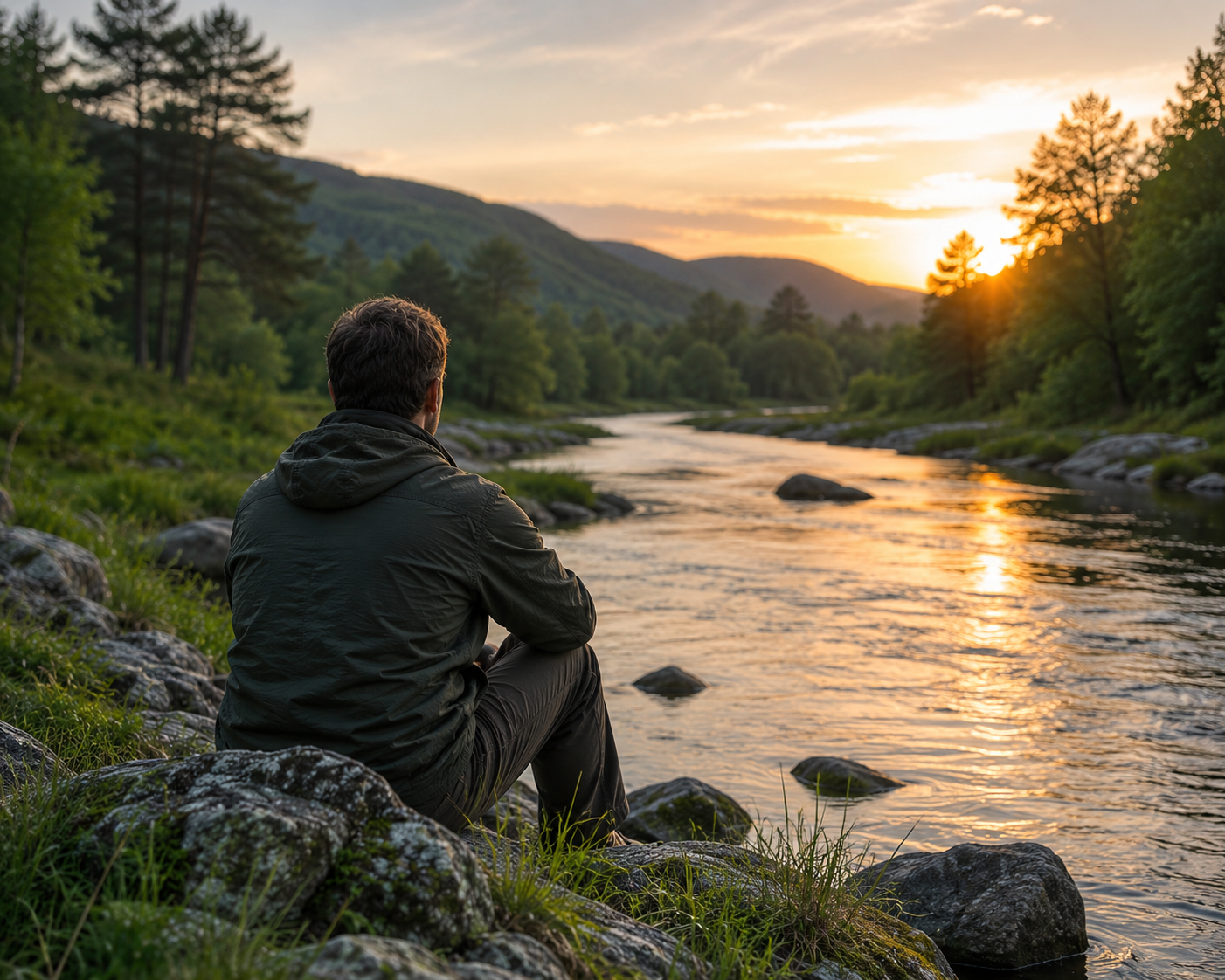
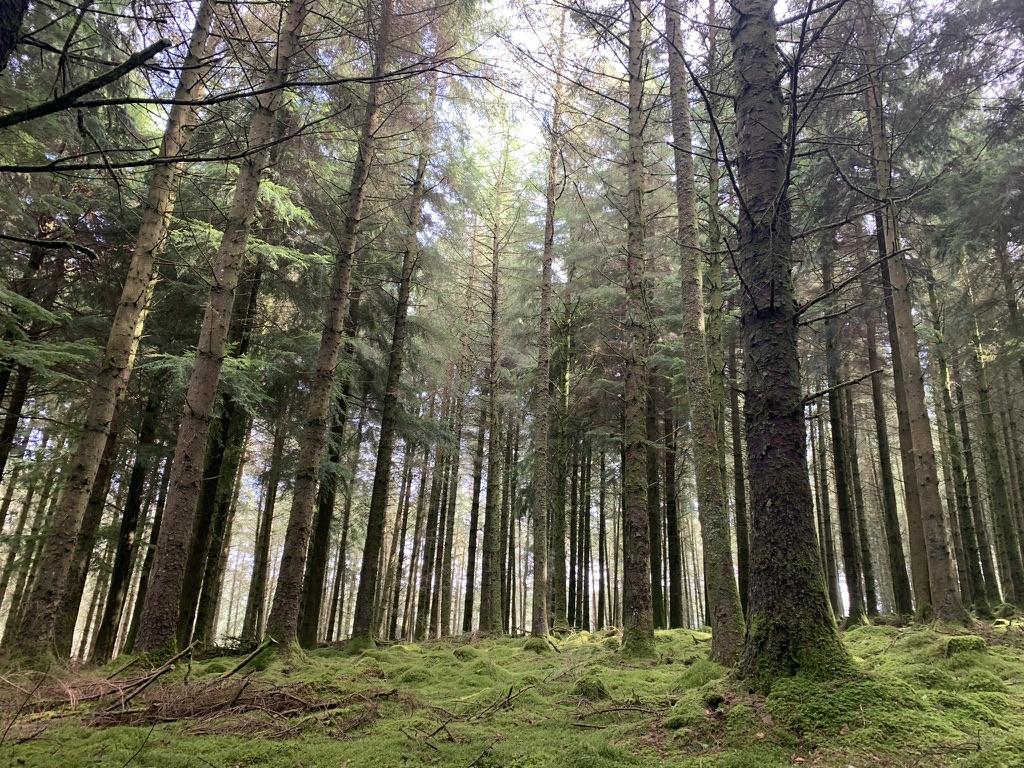
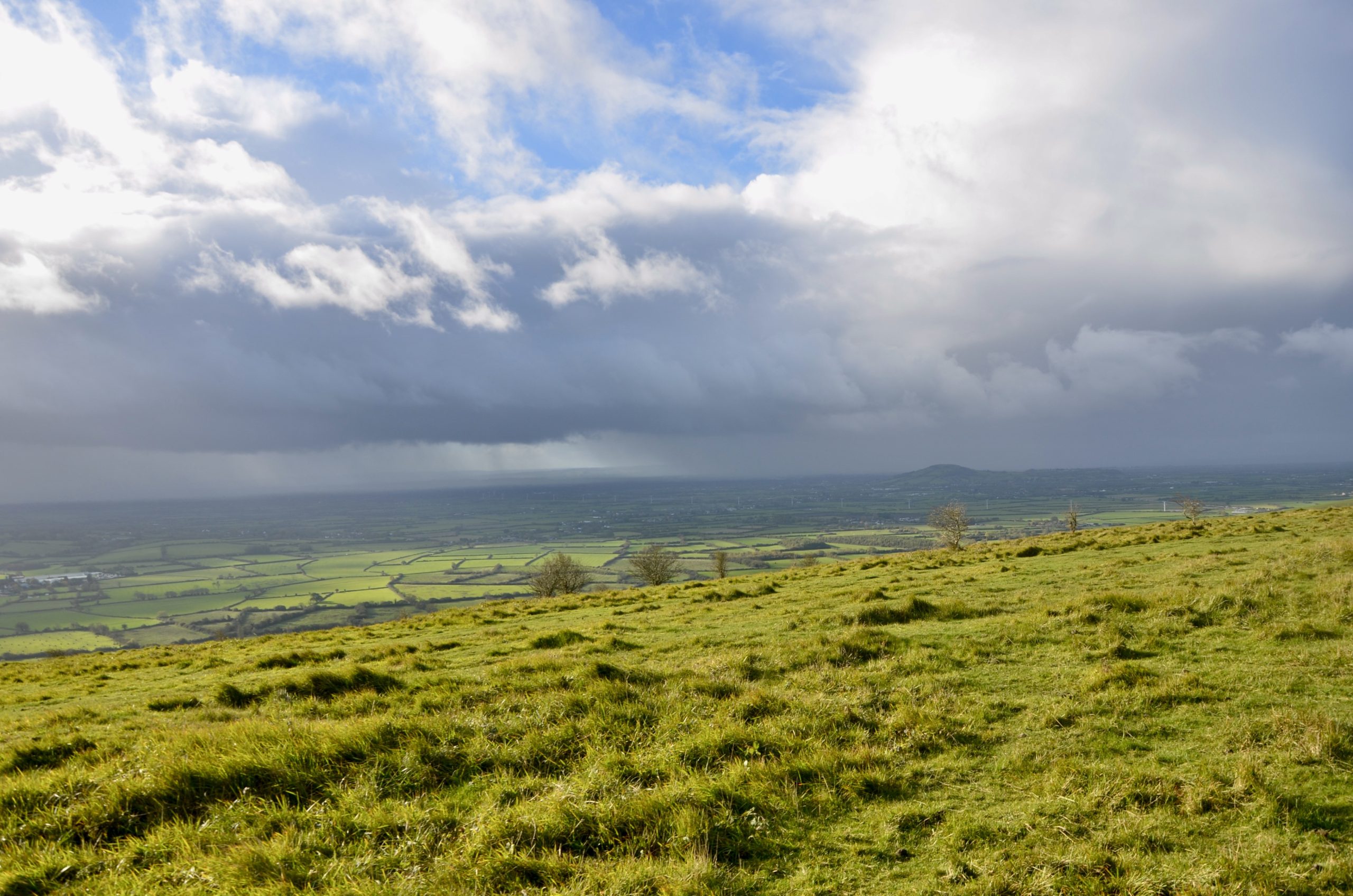
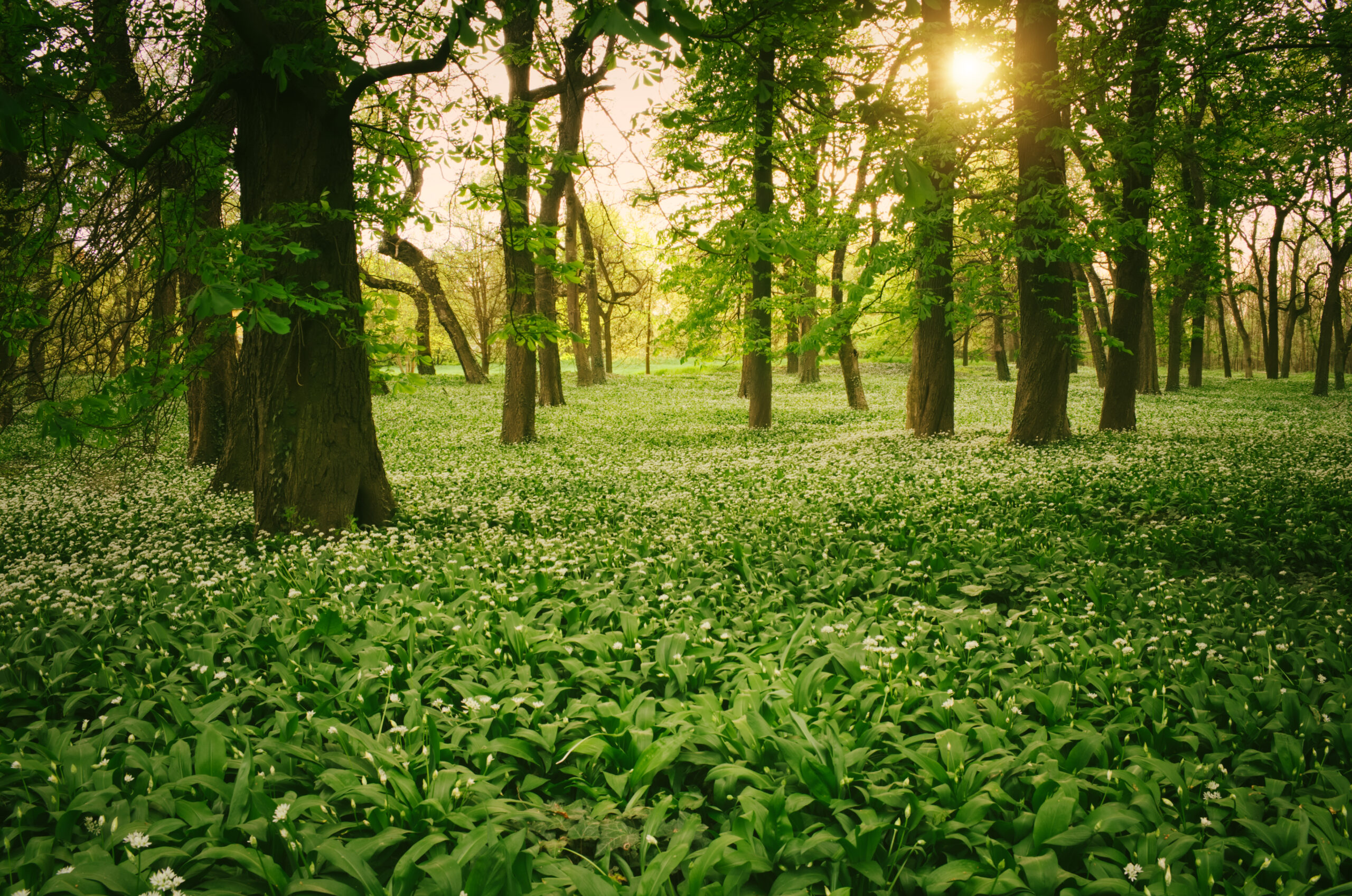
Walk through an ancient woodland, sit beside a river or watch the sun rise over open hills and something begins to change.
Time slows.
Your breathing deepens.
The senses awaken.
You notice birdsong you would normally ignore. The movement of clouds becomes fascinating. The wind through trees becomes a conversation rather than background noise.
Nature asks nothing of you except your presence.
It doesn’t require performance.
It doesn’t measure your productivity.
It simply invites you to be.
Perhaps that is why so many people return from time spent outdoors saying they feel lighter, calmer and somehow more themselves.
Nature doesn’t change who we are.
It simply gives us enough quiet to remember.
Returning to Others Whole
Some people worry that seeking solitude is selfish.
The opposite is often true.
When we never make time to replenish ourselves, we eventually have less to offer those we love. We become impatient, reactive, emotionally exhausted and easily overwhelmed.
Healthy solitude restores what constant engagement slowly depletes.
It helps us listen more carefully.
Respond more thoughtfully.
Love more generously.
We stop reacting to every situation and begin responding from a place of calm rather than pressure.
The purpose of solitude is never to escape people.
It is to return to them with greater presence, patience and compassion.
An Invitation to Pause
Modern life will only become louder.
Technology will continue demanding our attention. More information will compete for every spare moment. The world is unlikely to slow down for us.
But we can choose, every now and then, to step away from the noise.
Perhaps it begins with twenty minutes in the garden.
A walk without headphones.
An afternoon beside a river.
An hour in a favourite woodland.
Or simply sitting quietly with a cup of tea and allowing your thoughts to settle without interruption.
These small moments are not wasted time.
They are investments in your emotional well-being, your clarity of mind and your relationships.
We spend so much of our lives trying to be heard by everyone else.
Perhaps the greatest gift we can give ourselves is occasionally becoming quiet enough to hear our own voice again.
Because when the noise begins to fade, something remarkable happens.
You don’t discover someone new.
You rediscover the person who has been patiently waiting beneath the noise all along.